
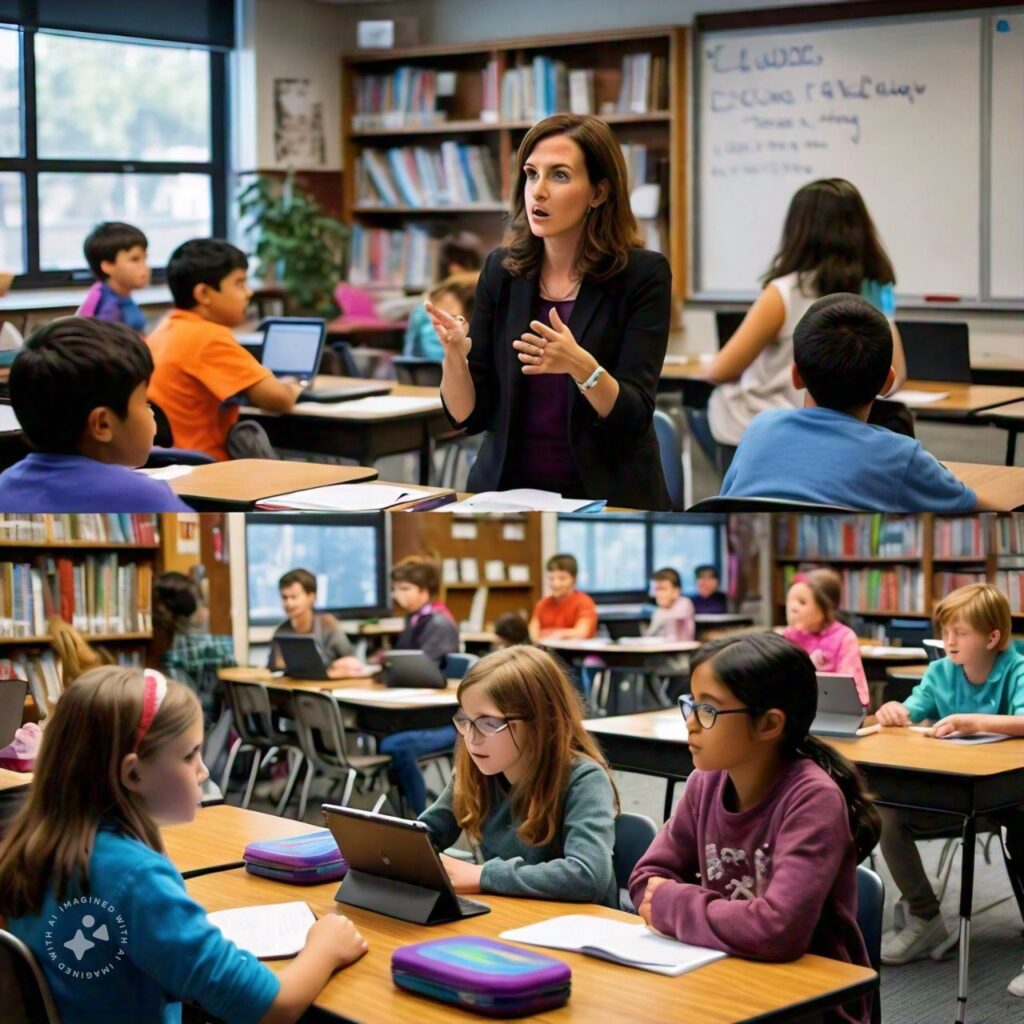
In today’s rapidly evolving educational landscape, blended learning has emerged as a powerful approach that combines traditional classroom methods with digital technology. This hybrid model leverages the best of both worlds to create a more dynamic, personalized, and effective learning experience. In this blog post, we’ll explore the benefits of blended learning, its key components, and how it is transforming education.
What is Blended Learning?
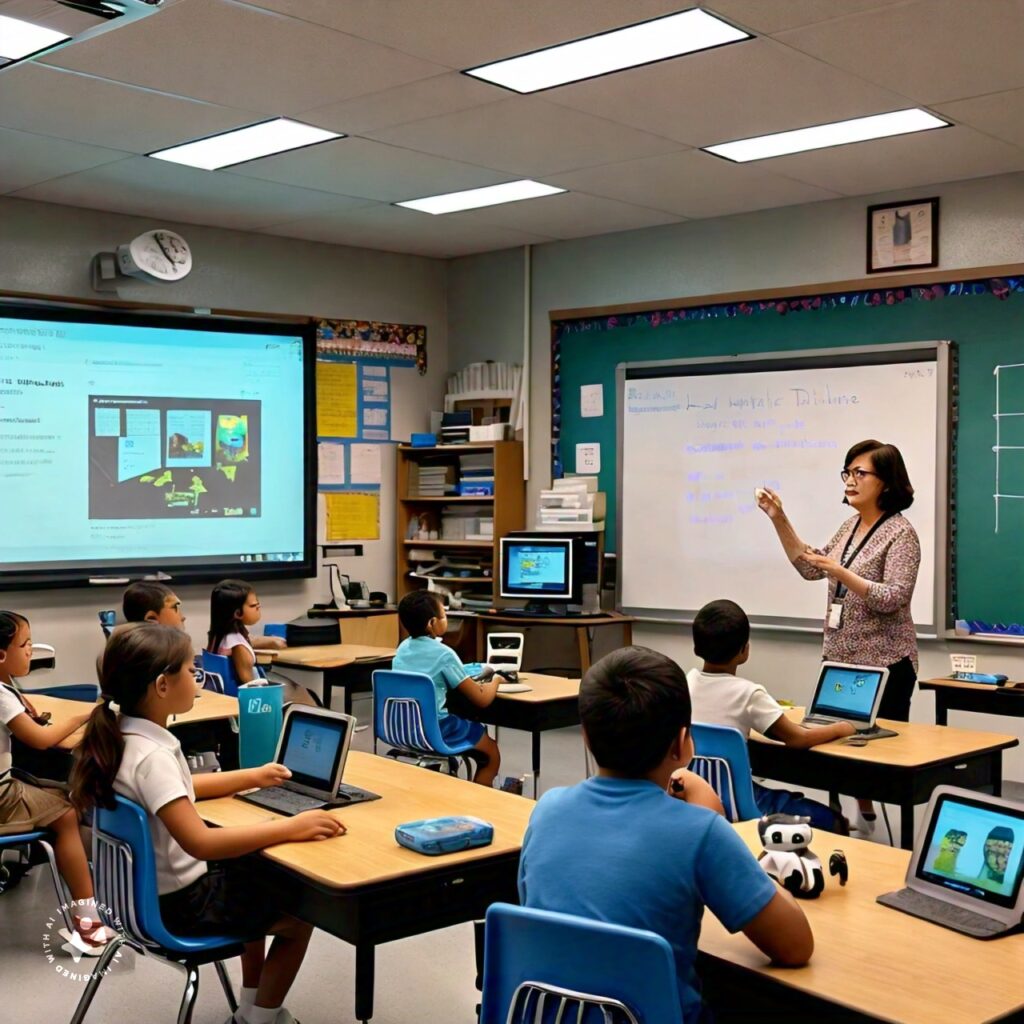
Blended learning is an educational strategy that integrates face-to-face instruction with online learning activities. This approach allows educators to utilize digital tools and resources to complement traditional teaching methods, providing a more flexible and engaging learning environment for students. Blended learning can take various forms, including flipped classrooms, rotation models, and enriched virtual models.
Key Components of Blended Learning
- Face-to-Face Instruction
- Teacher-Led Activities: Traditional classroom activities where teachers deliver lectures, facilitate discussions, and provide hands-on guidance.
- Collaborative Learning: Group activities and peer interactions that promote critical thinking, problem-solving, and teamwork skills.
- Online Learning
- E-Learning Platforms: Tools like Moodle, Canvas, and Google Classroom that deliver course materials, assignments, and assessments online.
- Interactive Content: Multimedia elements such as videos, simulations, and interactive quizzes that enhance understanding and engagement.
- Personalized Learning Paths
- Adaptive Learning Technologies: AI-driven platforms that tailor educational content to meet the individual needs and learning pace of each student.
- Self-Paced Learning: Online modules that allow students to learn at their own speed, ensuring mastery of concepts before moving on.
Benefits of Blended Learning
- Enhanced Flexibility
- Anytime, Anywhere Learning: Students can access online resources and complete assignments at their convenience, making education more accessible.
- Balancing Commitments: Blended learning accommodates students’ diverse schedules, allowing them to balance academic, personal, and professional commitments.
- Improved Engagement and Retention
- Interactive Content: Digital tools make learning more engaging through multimedia content, gamification, and interactive activities.
- Active Learning: Blended learning encourages active participation, promoting better understanding and retention of information.
- Personalized Learning Experiences
- Tailored Instruction: Adaptive learning technologies personalize the educational experience, addressing individual strengths and weaknesses.
- Real-Time Feedback: Online assessments provide immediate feedback, helping students identify areas for improvement and track their progress.
- Cost-Effectiveness
- Resource Efficiency: Digital resources reduce the need for physical materials, lowering costs for both institutions and students.
- Scalable Solutions: Online platforms can accommodate large numbers of students, making it easier to scale educational programs.
Implementation Strategies for Blended Learning
- Professional Development for Educators
- Training Programs: Providing teachers with the necessary skills and knowledge to effectively integrate technology into their teaching practices.
- Ongoing Support: Continuous professional development and support to help educators stay updated with the latest tools and methodologies.
- Curriculum Design
- Integration of Digital Resources: Developing a curriculum that seamlessly incorporates online and offline activities to enhance learning outcomes.
- Student-Centered Approach: Designing lessons that cater to diverse learning styles and preferences, promoting active and personalized learning.
- Technology Infrastructure
- Reliable Internet Access: Ensuring that all students have access to high-speed internet and necessary digital devices.
- Technical Support: Providing robust technical support to address any issues that arise with digital tools and platforms.
Challenges and Future Directions
While blended learning offers numerous benefits, it also presents certain challenges:
- Digital Divide: Ensuring equitable access to technology for all students, particularly those in underserved areas.
- Teacher Training: Providing adequate training and support for educators to effectively implement blended learning models.
Looking ahead, the future of blended learning is promising. With advancements in AI, virtual reality, and other emerging technologies, the potential for creating even more immersive and personalized learning experiences is immense. As educators and institutions continue to innovate, blended learning will play a crucial role in shaping the future of education.
Conclusion
Blended learning is revolutionizing education by combining the strengths of traditional teaching methods with the advantages of digital technology. This hybrid approach enhances flexibility, engagement, and personalization, making education more effective and accessible. As we embrace the potential of blended learning, we can look forward to a future where every student has the opportunity to achieve their full potential.
Keywords: blended learning, technology integration, education, online learning, personalized learning, adaptive learning, e-learning platforms, interactive content, hybrid learning, educational technology.