
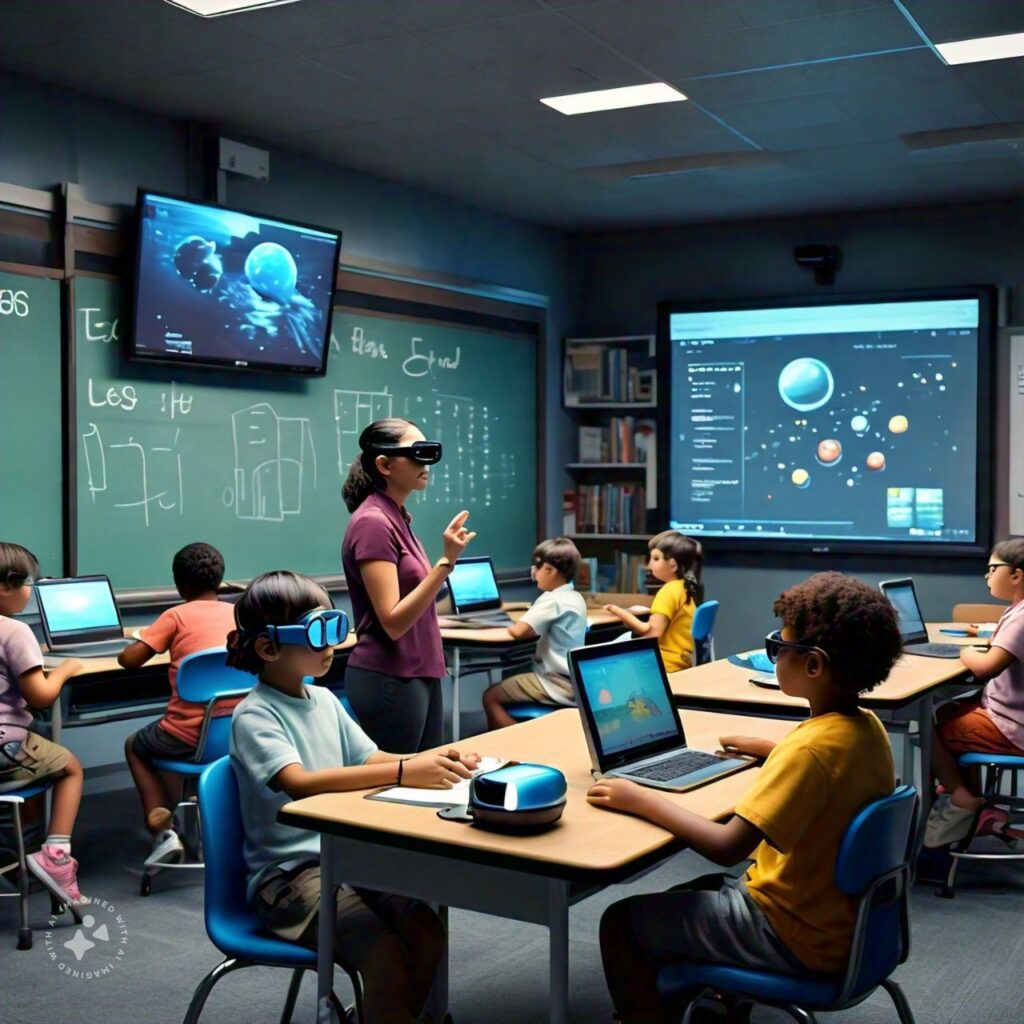
The educational landscape is undergoing a dramatic transformation. With the advent of advanced technologies, the way we teach and learn is evolving at an unprecedented pace. This EdTech revolution is not only enhancing the accessibility and quality of education but also personalizing learning experiences like never before. Let’s delve into how technology is reshaping education and what the future holds for students and educators alike.

The Rise of EdTech
Educational technology, or EdTech, encompasses a wide range of tools and resources designed to enhance learning experiences. From online courses and virtual classrooms to interactive apps and AI-driven tutoring systems, EdTech is revolutionizing the traditional educational model. The COVID-19 pandemic accelerated the adoption of these technologies, demonstrating their potential to make education more flexible and inclusive.
Key Technological Advancements in Education
- Online Learning Platforms
- Massive Open Online Courses (MOOCs): Platforms like Coursera, edX, and Khan Academy offer a plethora of courses from top universities and institutions, making high-quality education accessible to anyone with an internet connection.
- Virtual Classrooms: Tools like Zoom, Microsoft Teams, and Google Classroom enable real-time interaction between students and teachers, fostering a collaborative learning environment regardless of geographical barriers.
- Artificial Intelligence (AI) and Machine Learning
- Personalized Learning: AI algorithms analyze students’ learning patterns and tailor educational content to their needs, ensuring that each learner receives a customized educational experience.
- Intelligent Tutoring Systems: AI-driven tutors provide instant feedback and support, helping students understand complex concepts at their own pace.
- Gamification
- Interactive Learning Apps: Games and interactive apps like Duolingo and Kahoot! make learning fun and engaging, motivating students to actively participate and retain information more effectively.
- Rewards and Challenges: Gamified learning introduces elements of competition and rewards, encouraging students to strive for excellence.
- Virtual and Augmented Reality (VR/AR)
- Immersive Learning Experiences: VR and AR technologies create immersive educational experiences, allowing students to explore historical events, conduct virtual science experiments, and visit far-off places without leaving the classroom.
- Hands-On Practice: Medical students, for instance, can use VR simulations to practice surgical procedures, gaining valuable hands-on experience in a risk-free environment.
- Blockchain Technology
- Secure Credentialing: Blockchain ensures the security and authenticity of academic credentials, making it easier for students to share their achievements with employers and institutions.
- Transparency in Education: Blockchain can track the learning journey of students, providing a transparent and tamper-proof record of their academic progress.
Benefits of the EdTech Revolution

- Increased Accessibility
- Global Reach: EdTech breaks down geographical barriers, allowing students from remote or underserved areas to access quality education.
- Flexible Learning: Online courses and virtual classrooms offer flexible scheduling, accommodating students with different learning paces and time constraints.
- Enhanced Engagement
- Interactive Content: Multimedia elements like videos, animations, and interactive quizzes make learning more engaging and effective.
- Student-Centered Learning: EdTech fosters a student-centered approach, where learners have more control over their educational journey.
- Cost-Effectiveness
- Affordable Education: Online courses and digital resources often come at a fraction of the cost of traditional education, making learning more affordable.
- Reduced Overheads: Virtual classrooms eliminate the need for physical infrastructure, reducing overhead costs for educational institutions.
Challenges and Future Directions
Despite its numerous benefits, the EdTech revolution also presents certain challenges:
- Digital Divide: Ensuring equitable access to technology remains a significant concern, especially in underdeveloped regions.
- Data Privacy: Protecting students’ data and privacy is crucial as educational institutions increasingly rely on digital tools.
Looking ahead, the integration of emerging technologies like AI, VR, and blockchain will continue to shape the future of education. Educators and policymakers must collaborate to address the challenges and leverage the full potential of EdTech to create a more inclusive, engaging, and effective educational system.
Conclusion
The EdTech revolution is transforming education in ways we could have only imagined a few decades ago. By embracing technological advancements, we can create a future where education is more accessible, personalized, and engaging for all learners. As we navigate this digital transformation, it is essential to address the challenges and harness the power of technology to build a brighter future for education.
Keywords: EdTech, educational technology, online learning, virtual classrooms, AI in education, personalized learning, gamification, VR in education, blockchain in education, digital transformation in education.